Team resilience is not a Personality Trait, it's a performance condition you can build
97% of executives say resilience is critical. Only 23% of employees are thriving. Here's why those two facts coexist and what to do about it.
Ask any room of senior leaders whether resilience matters for their teams and almost every hand goes up. According to SHRM research, 97% of executives identify resilience as a critical trait for organisational success. And yet ADP's 2025 People at Work report found that only 23% of North American employees are currently thriving.
Something is going wrong between the belief and the practice. Most organisations treat resilience as a given — a quality that certain people bring to work and others don't. The research says otherwise. Resilience is not fixed. It's not a personality type. It is a condition that leadership teams can deliberately build or, just as easily, systematically destroy.
This article looks at what team resilience actually is, why it has become the defining competitive differentiator for high-growth organisations in 2026, and what role structured time away from the office plays in building it.
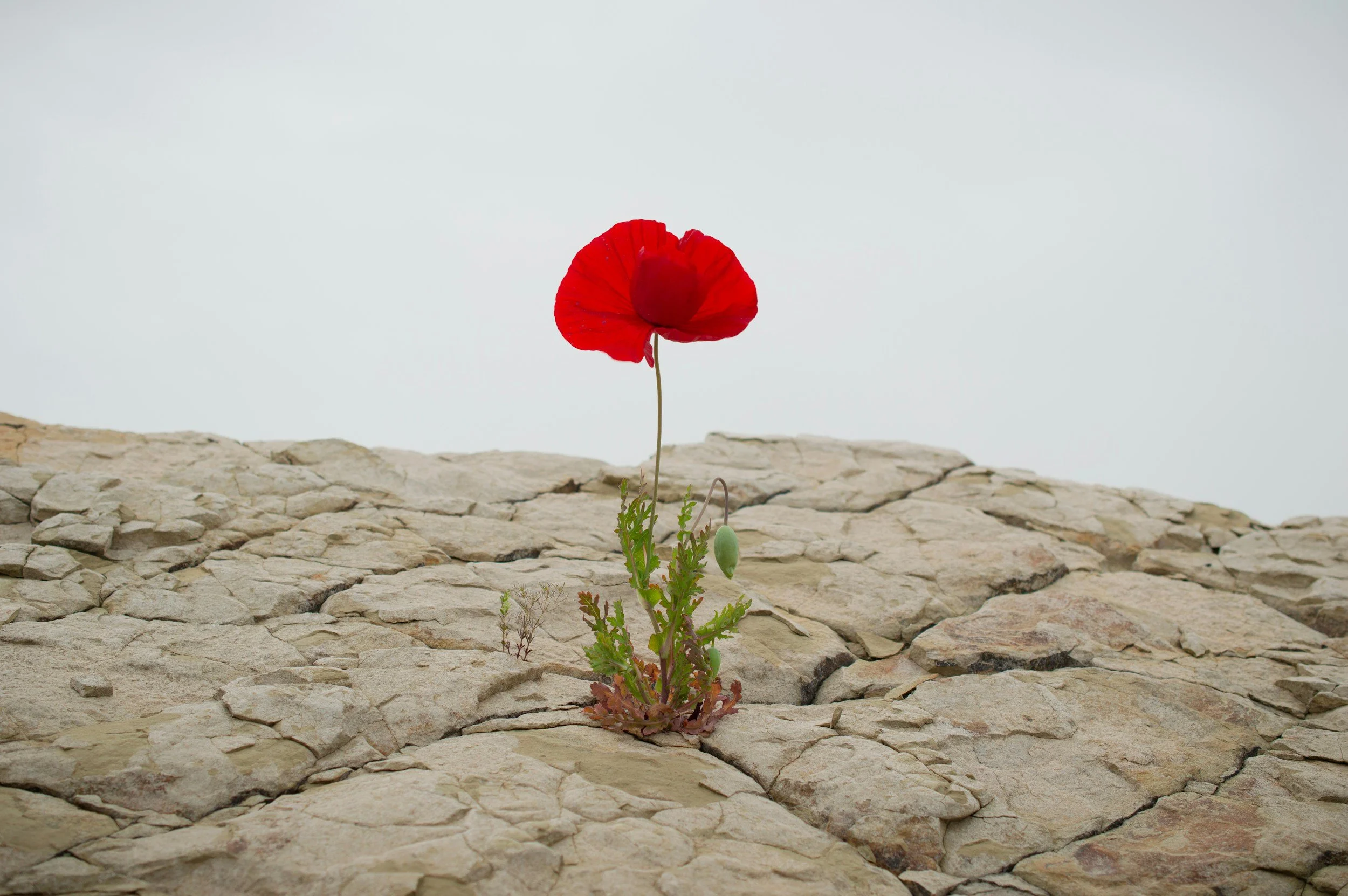
What Team Resilience Actually Means
Resilience is commonly understood as the ability to bounce back from adversity. In an individual, that's a reasonable starting point. At the team level, it's an incomplete definition — and that gap is where most organisations get into trouble.
Academic research published in the journal Work & Stress and systematically reviewed by Hartwig et al. (2020) defines workplace team resilience as a team's shared capacity to anticipate, prepare for, respond to, and adapt positively in the face of adversity, disruption, or significant change. The key word is "shared." Resilience in a team context isn't the sum of resilient individuals. It's a collective property that emerges from how the team functions together.
A team full of individually resilient people can still collapse under pressure if trust is low, communication is fragmented, or members have no shared framework for how to navigate difficulty together. Conversely, a team with average individual stress tolerance can perform exceptionally under pressure if its shared infrastructure: psychological safety, clear roles, honest communication norms, is strong.
"Resilience is not the sum of resilient individuals. It's a collective property that has to be built deliberately."
Why It Matters More in 2026 Than Ever Before
Three forces are converging to make team resilience a board-level priority, not just a wellbeing initiative.
First, volatility. McKinsey's State of Organizations 2026 report, drawing on a survey of over 10,000 senior executives across 15 countries, found that nearly three in four respondents said geopolitical and economic uncertainty has had a notable impact on their organisations this year. Deloitte's Global Boardroom Survey found that 70% of C-suite executives now identify organisational resilience as a critical strategic priority, not a soft capability, a strategic one.
Second, the performance data is becoming impossible to ignore. SHRM research shows that highly resilient organisations are 2.7 times more likely to be outperforming their competition. McKinsey's longer-term analysis found that firms with high-resilience leadership delivered 50% higher returns following the 2008 financial crisis compared to their less-resilient peers. These figures are not from wellbeing reports. They come from strategy and performance research.
Third, the conditions that build resilience are exactly the ones that current work environments are eroding. Chronic stress, cognitive overload, and fragmented teams are also systematically degrading collective resilience. The two problems are not separate. They're the same problem viewed from different angles.
What Breaks Team Resilience
The enemies of team resilience are well-documented. Sustained pressure without recovery. Low psychological safety, where team members don't feel safe enough to surface problems early, admit mistakes, or challenge assumptions. Weak interpersonal trust, which forces every interaction through a layer of protective behaviour. And the absence of shared meaning: teams that don't understand why their work matters together are far less able to hold together when conditions get hard.
Google's Project Aristotle, one of the most comprehensive studies of team performance ever conducted, identified psychological safety as the single most important predictor of team effectiveness; more important than individual talent, experience, or technical capability. Teams without it produce cautious, consensus-driven output. Teams with it surface problems earlier, experiment more freely, and recover faster from setbacks.
What rebuilds these conditions? The research points consistently in one direction: intentional, face-to-face investment in the relational foundations of the team. Physical presence. Unstructured time. Shared experiences that aren't mediated by a screen or a meeting agenda. Not as a luxury, but as a mechanism.
Environmental psychology adds a further dimension. Studies have consistently shown that exposure to natural environments produces measurable neurological changes — cortisol, the body's primary stress hormone, drops significantly within minutes of entering a natural setting. Recovery isn't just a state of mind. It has a physiology, and that physiology responds to environment in ways that an office or a video call simply cannot replicate.
How Strategic Offsites Build Resilience
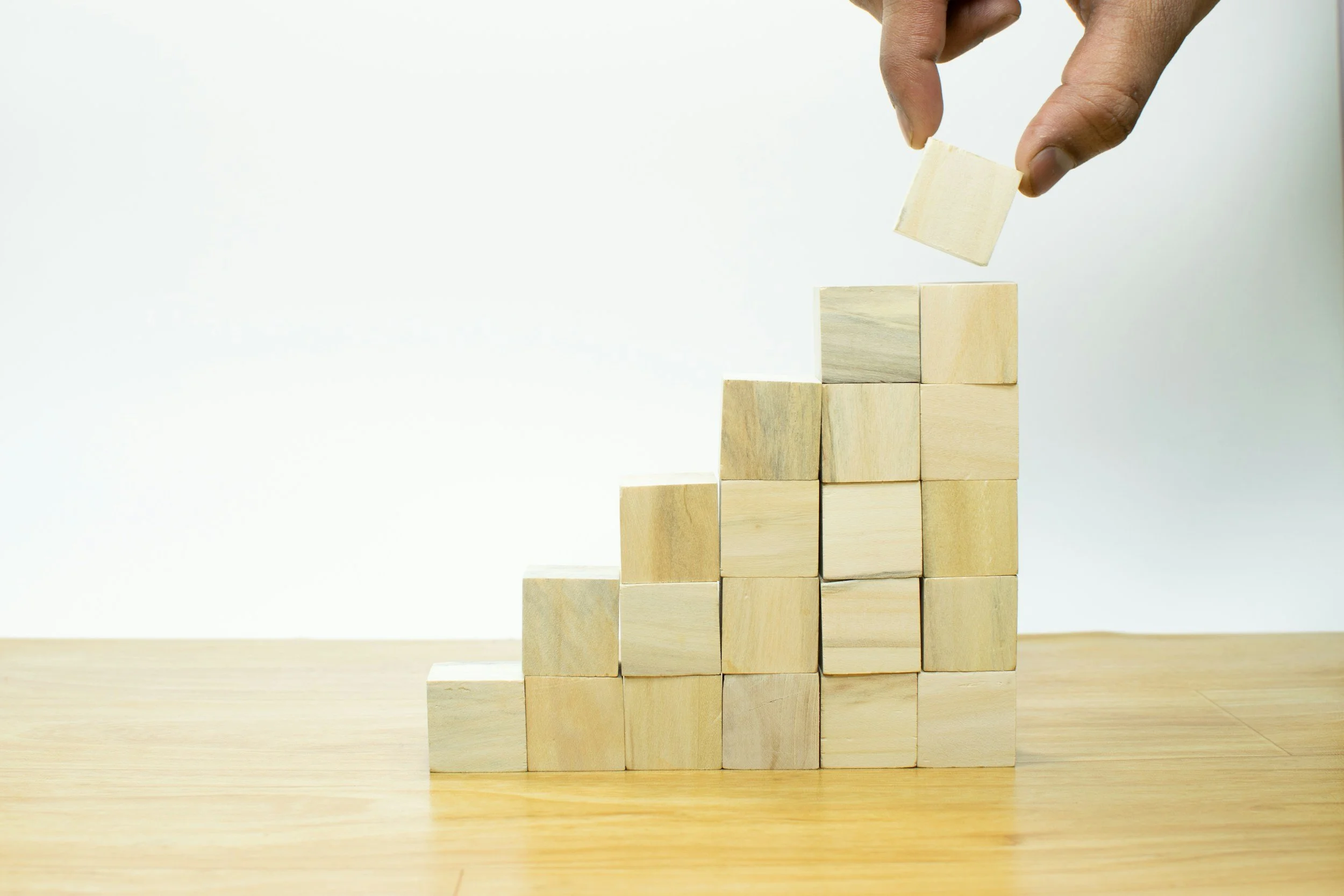
There is a meaningful difference between a team offsite that builds morale and one that builds resilience.
Morale is about how people feel in the moment. Resilience is about what the team can do when conditions are difficult, weeks or months later.
The distinction matters because most team retreats are designed for the former. They create a positive experience, generate some goodwill, and then the team returns to exactly the same environment that was degrading their capacity in the first place. The goodwill fades within weeks. The structural conditions remain unchanged.
An offsite designed with resilience as the explicit goal looks different. It begins by acknowledging the actual pressure the team has been under; naming it honestly rather than bypassing it. It creates conditions for genuine psychological safety to be rebuilt: informal time, shared meals, low-stakes activities that let team members re-encounter each other as human beings rather than functional roles. And it surfaces, through facilitated conversation, the shared mental models, communication norms, and ways of handling difficulty that the team will carry back with them.
The research on offsites from Borninflight and supported by PMC studies on team retreats confirms the mechanism: structured retreats that explicitly address psychological safety create measurable, lasting improvements in team communication, trust, and collective problem-solving capacity. These are the three pillars that resilience, in practice, is built on.
What a Resilience-Focused Offsite Actually Requires
For HR leaders and People teams thinking about how to operationalise this, there are three design principles that consistently separate resilience-building offsites from generic team events.
The first is honest diagnosis. A resilience offsite that doesn't start with a clear understanding of what this specific team has been through will produce surface-level outputs. Effective facilitation requires knowing what's actually in the room before you start.
The second is sequencing. Recovery before strategy is not a nice-to-have, it's the mechanism. Teams that arrive at a strategic or reflective session while still carrying unprocessed stress will produce guarded, limited thinking. Decompression, physical activity, and unstructured connection time need to come first. McKinsey's own research supports this: reflective leaders, those who create conditions for genuine processing rather than constant forward motion, are nearly twice as likely to believe their organisations can adapt quickly to change.
The third is follow-through design. The most significant predictor of whether offsite outcomes persist is whether the team leaves with concrete, agreed-upon changes to how they operate day-to-day. Not inspiration. Not intentions. Specific, named shifts in communication norms, decision-making processes, or ways of supporting each other under pressure.
Resilience is often treated as the thing teams are supposed to already have: a precondition for doing hard work rather than something that itself requires investment. The research consistently contradicts that assumption. It is built, or it isn't. It is maintained, or it erodes.
For the organisations navigating 2026: volatile markets, hybrid teams, AI-driven disruption, and sustained pressure on leadership, the question isn't whether resilience matters. The question is whether they are treating it as the strategic capability the data shows it to be, or as a character trait they're hoping their people brought with them.
At SPIRA, every offsite we design is structured around a core sequencing principle: Health first, because the capacity to think, connect, and lead well depends on recovery. Work where it counts, with the trust already in the room to make it real. Play as the mechanism through which teams genuinely rebuild the relational foundations that resilience requires. That sequence isn't aesthetic. It's the architecture of how resilient teams are actually built.