Why your strategy offsite needs a house, not a hotel
The next time your leadership team books a strategy offsite, ask one question before anyone opens a laptop: does the room you are walking into look like your boardroom? Because if it does, you have not left. You have just relocated the problem.
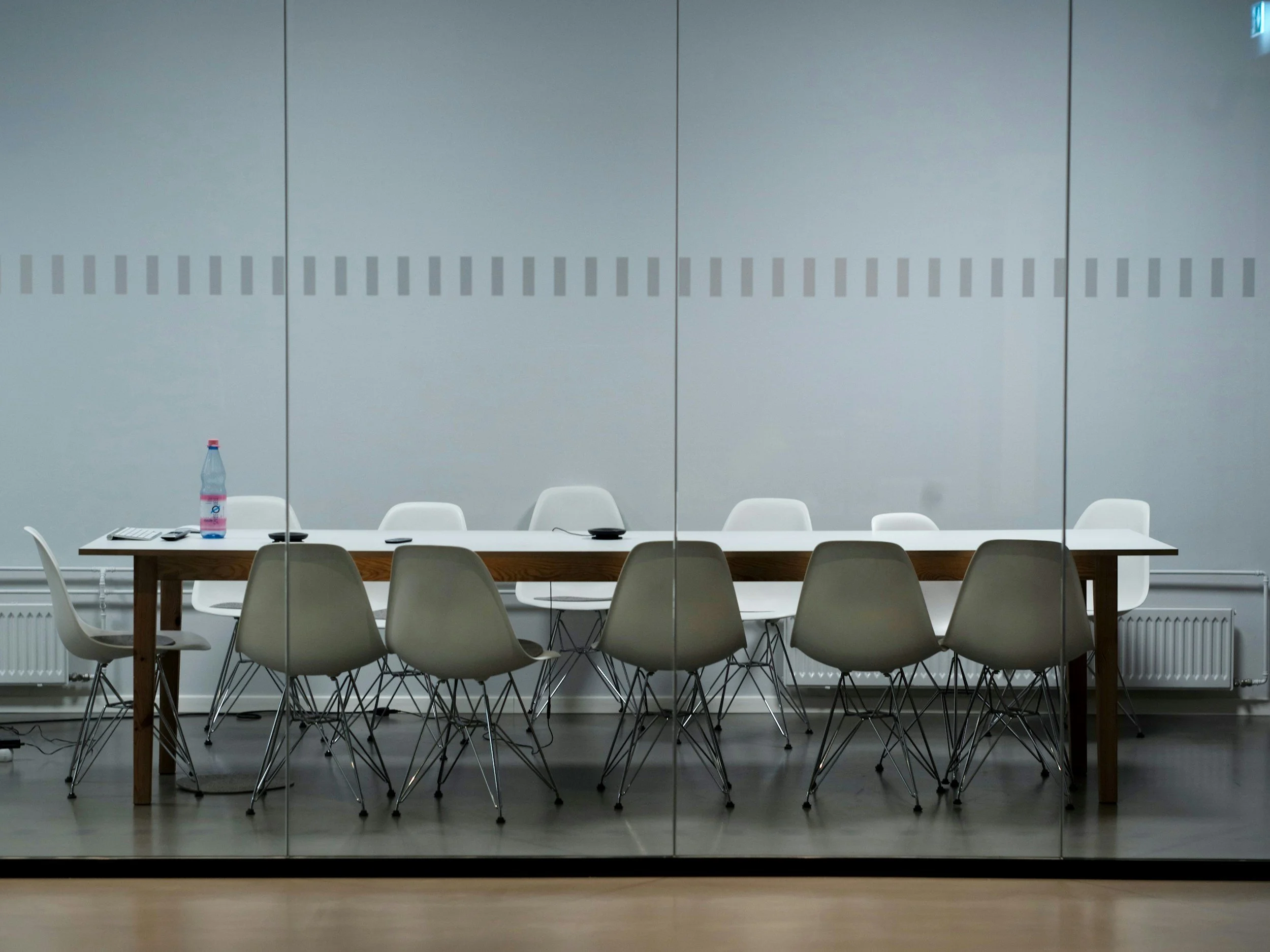
Your boardroom runs the meeting before you do
Research from MIT established that approximately 43% of our daily behaviours are not decisions. They are habits, executed automatically in response to environmental cues. A specific cue, a room, a seating arrangement, the shape of a table, triggers a specific behavioural sequence without conscious input.
The boardroom is one of the most powerful habit triggers a leadership team encounters every week. The rectangular table signals where to sit relative to the CEO. The projector establishes who presents and who listens. The formal seating arrangement activates the role every person in that room has spent years rehearsing: protect your position, perform competence, do not expose uncertainty.
None of this is a conscious choice. It is a cue-triggered response. And it runs before the first agenda item is read out.
A hotel conference room is not an offsite
This is the distinction that separates productive retreats from expensive ones. The value of a strategy offsite is not in the change of postcode. It is in the change of context. And context is determined by environmental cues, not geography.
A hotel conference room replicates every structural element of a boardroom: the rectangular table, the projector at one end, chairs arranged by invisible seniority. These are not neutral furnishings. They are social architecture, and they signal hierarchy to everyone in the room before a single word is spoken.
The change of scenery may feel different. The strategic output rarely is.
What a retreat house actually changes
A retreat house, a private house, a countryside estate, a farmhouse with a shared kitchen, introduces an entirely different set of environmental cues.
A sofa has no power seat. A kitchen table distributes eye contact equally. A living room without a projector provides no established script for who leads and who follows. Neurobiologically, these spaces activate different social registers. The brain reads them as informal. The default behaviour that follows is less performative, less defended, and more honest.
A 2012 study published in PLOS ONE found that four days of immersion in a natural, non-digital environment produced a 50% improvement in creative problem-solving. The mechanism is attention restoration: natural settings reduce cognitive load and restore the prefrontal cortex's capacity for the divergent thinking that strategic work demands.
This is not a wellness argument. It is a performance argument. The venue is doing cognitive work that no facilitator can replicate in a hotel conference room.

When hierarchy softens, honest thinking starts
There is a second effect that retreat houses produce, and it rarely appears in offsite planning guides. Call it micro role-inversion.
In a shared house, formal hierarchy meets friction it does not encounter in the office. Someone makes the coffee and it will not be an assistant. The CEO who commands a room of 200 people needs to ask where the plates are. The CFO who controls every budget conversation is on dish duty after dinner. These are small moments, but they are levelling moments. They redistribute social authority, briefly, in ways that formal environments never allow.
Research from INSEAD on psychological safety in leadership environments shows that formal, hierarchical settings systematically suppress the candid contributions that good strategy requires. When status displays soften, even temporarily, teams access a register of honesty that boardrooms structurally prevent.
The agenda does not change. The quality of the conversation does.
The data is pointing in one direction
Countryside and distinctive venue retreat bookings grew 308% in a single year, according to recent industry data. Over 30% of offsites are now held in private estates, villas, and non-hotel venues. The global corporate retreat market is projected to grow from $31.8 billion in 2024 to $73.7 billion by 2034.

Leadership teams are voting with their budgets for environments that produce different outcomes, and the evidence suggests they are right to do so. Face-to-face communication in well-designed offsite settings is 34 times more effective than virtual alternatives for complex decision-making. The room amplifies that effect, or works against it. There is no neutral ground.
What to look for when choosing a venue
Not every retreat house produces the effects described here. The venue matters, but so does the design of what happens inside it. A few principles worth applying:
Prioritise spaces with shared communal areas: a kitchen, a living room, outdoor space. These are the zones where informal conversation and genuine alignment tend to happen.
Avoid conference-room layouts disguised as retreat spaces. If the main working room looks like a hotel meeting room, the same habit triggers apply.
Build unstructured time into the program. The insights that reshape strategy rarely emerge during sessions. They emerge at dinner, on a walk, or over a second coffee. A retreat house makes that possible. A hotel conference room does not.
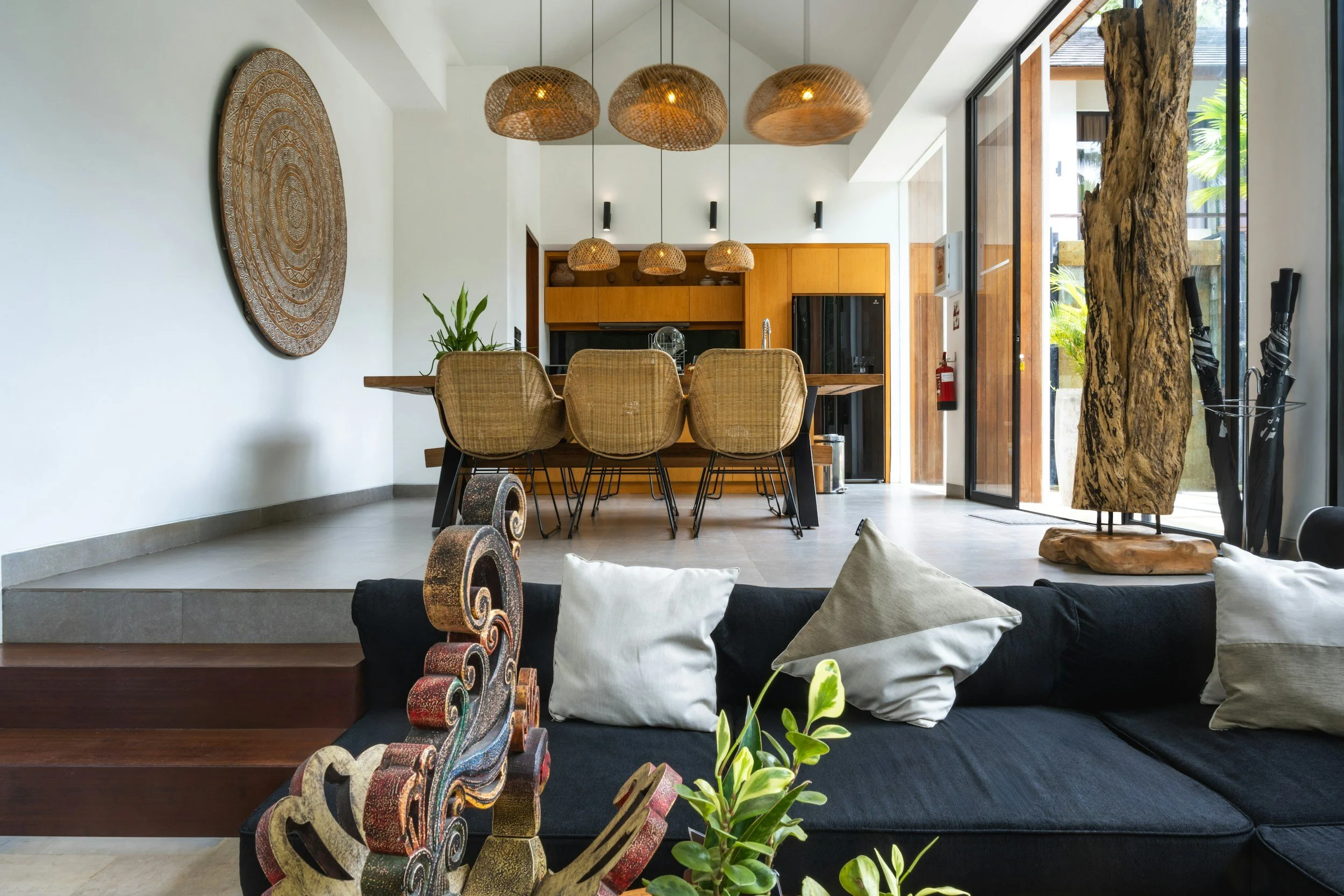
The room is part of the strategy
The case for taking strategic work outside the boardroom is not a sentimental one. It is cognitive. The environment of a boardroom produces boardroom thinking: defended, hierarchical, optimised for appearance rather than truth.
A retreat house changes the cue. Changing the cue changes the program. And changing the program is exactly what a strategy offsite is supposed to do.
Well-designed offsites sequence the conditions for honest, generative work across three dimensions: the health of the people in the room, the quality of the work done there, and the space for play that restores perspective. That sequencing begins with the room itself, long before the first session starts.